Phytodiverse

Advancing Ocean Biodiversity Science from Space

Combining hyperspectral satellite technology with advanced algorithms to monitor and understand phytoplankton diversity—the foundation of marine life and a critical indicator of ocean health.

PhytoDiverse aims

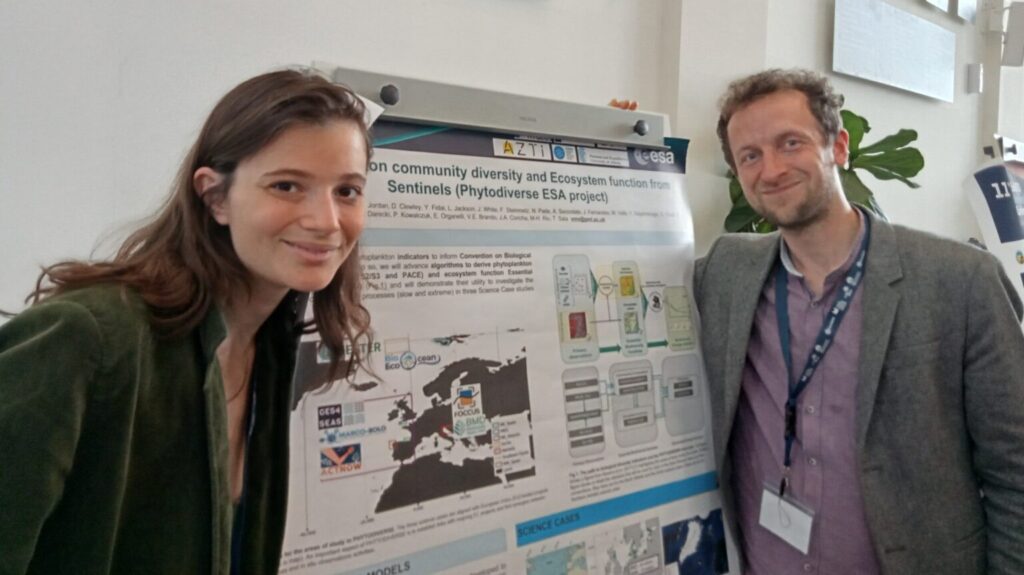
Funded by the European Space Agency (ESA), Phytodiverse will advance the science of phytoplankton diversity algorithms for Essential Biodiversity Variables (EBV) and derived indicators from space. The project develop innovative techniques to combine ESA satellites (Sentinel-2 and Sentinel-3) with hyperspectral data from PACE to create enhanced spatial resolution datasets, enabling detailed analysis of functional and trait diversity in phytoplankton communities.

The project started in Sept 2025 and will continue until Sept 2028.

Research Focus Areas

Open Ocean

NE Atlantic Study

Long-term analysis of plankton community changes and ecosystem function in the Northeast Atlantic, investigating climate-driven processes and their impacts on marine biodiversity.

Coastal

Northern Adriatic Study

Detailed examination of phytoplankton bloom diversity in coastal waters, focusing on succession patterns and ecosystem responses to environmental variability.

Polar

Arctic Study

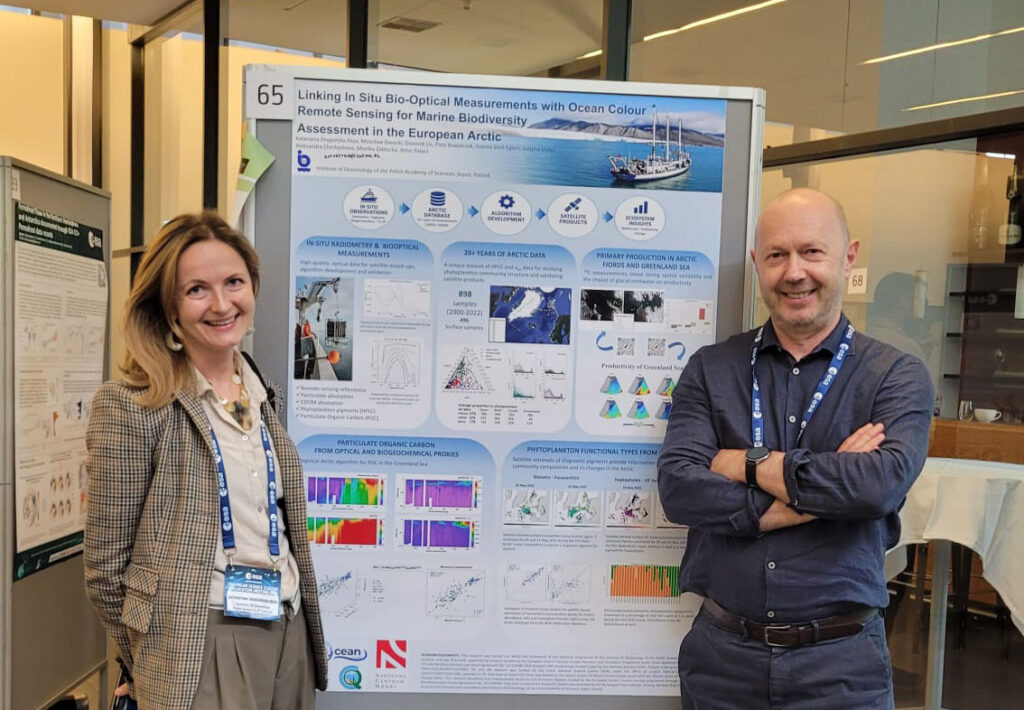
Investigation of phytoplankton diversity in rapidly changing Arctic waters, monitoring shifts in community composition and their ecological implications.

Collaborative Science

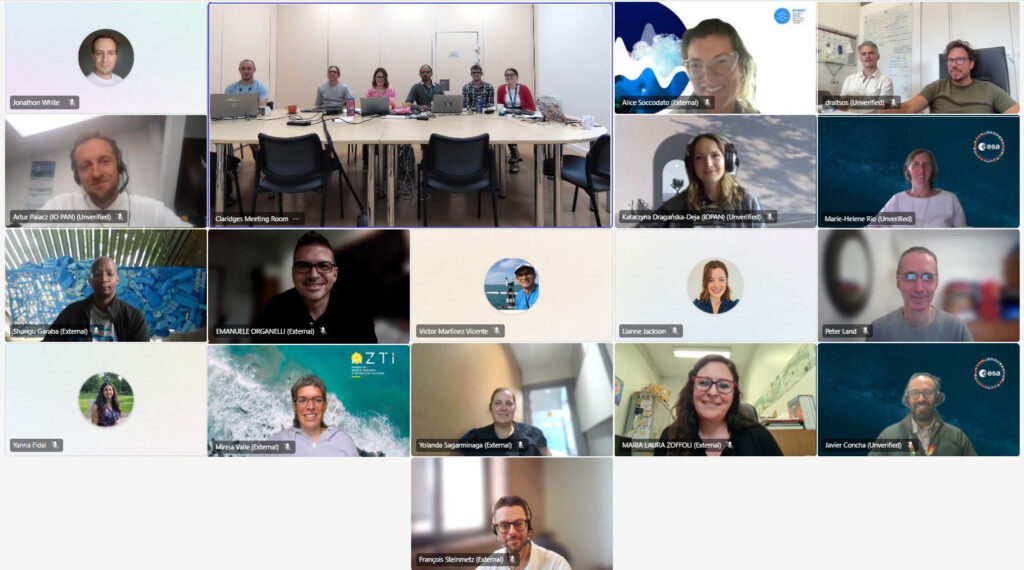
Phytodiverse works in synergy with ongoing European Commission and ESA projects, including HyperBOOST, Phyto-CCI, and TIME, building a comprehensive framework for ocean health monitoring and biodiversity assessment.

European Collaboration

Our integrated approach connects various satellite products into workflows that generate meaningful indicators, informing a roadmap for future EC-ESA project collaboration. This forms the basis for a new European area of collaboration in Ocean Health and Biodiversity, designed for integration with upcoming global monitoring systems.

Latest Updates

Scroll to Top